Bamboo Wireless: Mediating the Cold War in Asia (book manuscript in preparation)
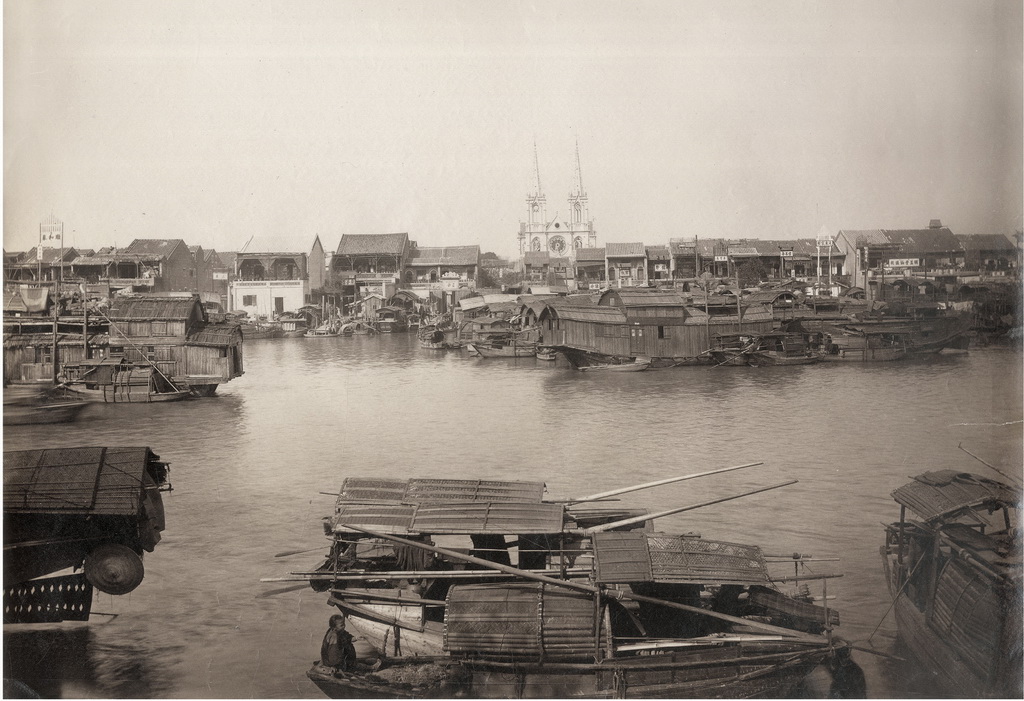
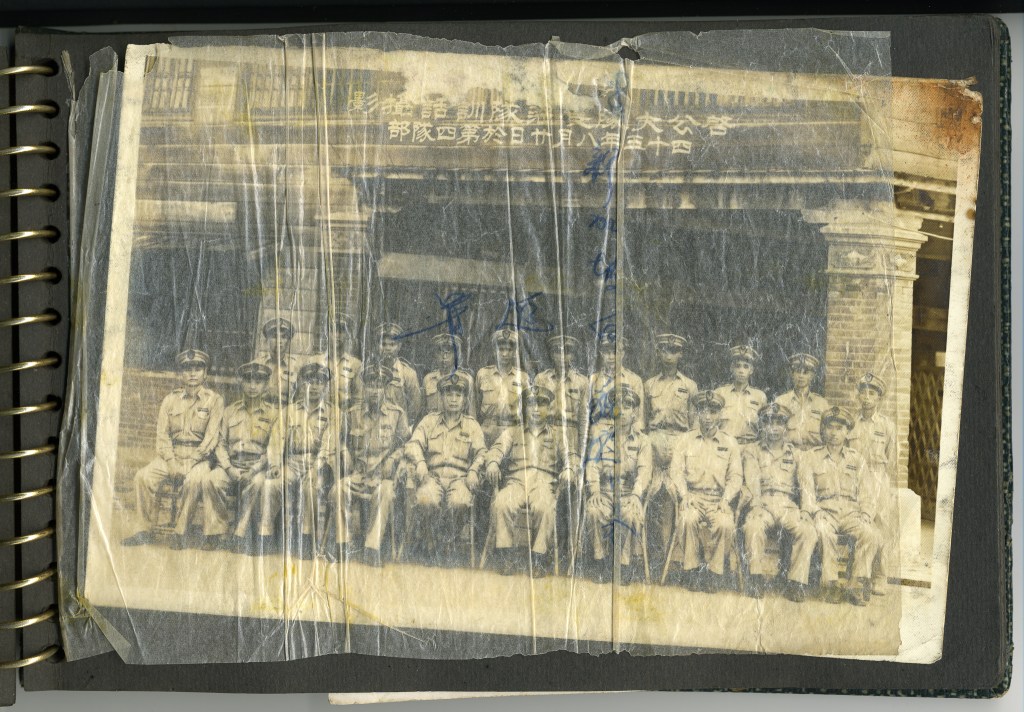
Time Exposures: Catholic Photography and the Evolution of Modern China, co-authored with Anthony E. Clark (Hong Kong University Press, forthcoming September 2026)
Time Exposures explores how historical photographs created by and of Chinese Catholic communities illuminate the vicissitudes of China’s transition from empire to modern nation. Relying on an expansive worldwide network of Catholic photographic archives, this book examines largely unseen and unpublished images related to Catholicism in China. These images, made from the 1870s through the 1990s, were central to visual practices and afterlives that represent, recover, and reenvision diverse Chinese experiences. This volume provides insight into the lives of women and men behind and in front of the camera who were important documentarians of China’s local and national changes over time, shaping ways of seeing and belonging to the country’s many cultural evolutions.
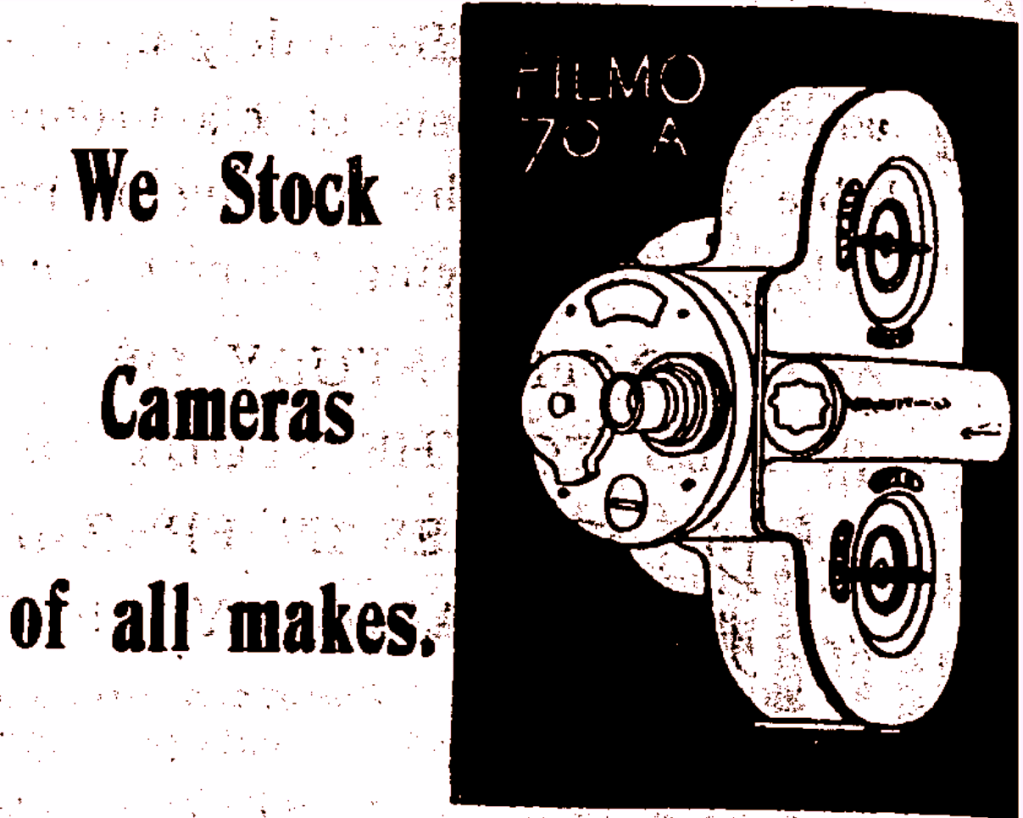
“Moving Visions: 16mm Filmmaking as Transnational Missionary Apparatus in Twentieth Century East Asia,” in A Century in 16mm: The Remaking of Cinema, Gregory A. Waller and Haidee Wasson, eds. (Oxford University Press, 2026)
This essay explores the ways in which vernacular 16mm films and film technologies created transnational visual cultures within the American Protestant and Catholic missionary enterprise in twentieth century East Asia. By moving between private and public contexts in ways that commercial films could not, 16mm technologies enabled locally-embedded missionaries to engage in experimental film production, producing movies that circulated through international religious networks and reached Asian and US audiences.
This filmmaking, however, was not limited to the promotion of religious beliefs and one-dimensional impositions of foreign culture. The experiences of filmmakers, subjects, and viewers overlapped with medical and educational activities, indigenous and global developments in Christian community, and nation-building projects in both peace and war. Some films captured fragmentary representations of new cross-cultural identities, while others framed humanitarian efforts and antiwar negotiations of trauma. Over time, the ways in which these films were made and viewed (and later, forgotten and rediscovered) came to represent mutable legacies of missionary visions in East Asia’s historical evolution.
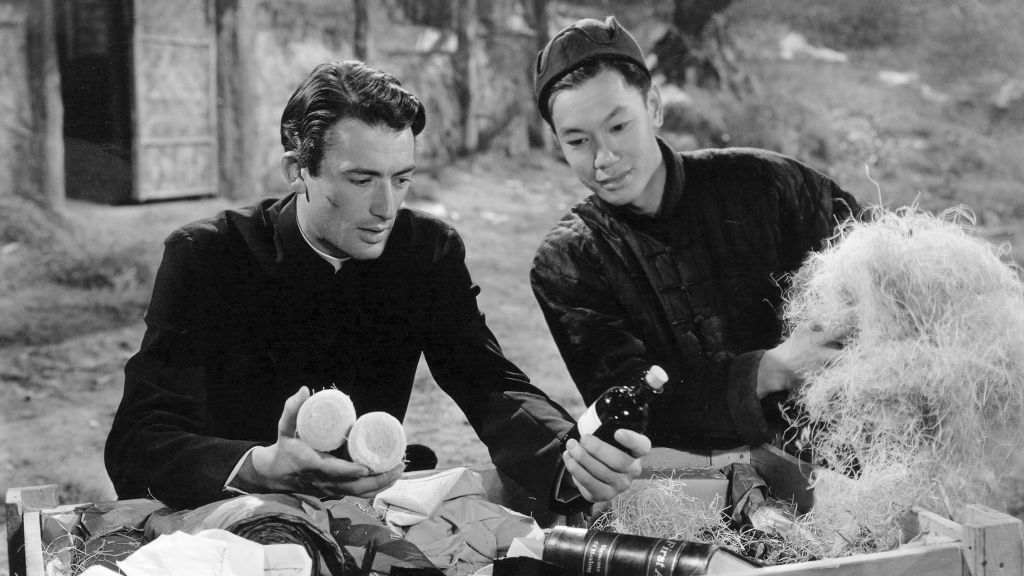
“Through the Narrow Gate: Visual Performativity and Cinematic Translations of Missionary Transnationalism in China,” in Translation as Practice: Intercultural Encounters, China, and the Creation of Global Modernities, Filippo Marsili and Eugenio Menegon, eds. (Edinburgh University Press, forthcoming)
As movie audiences settled into seats around the twentieth century world, the films they encountered on the silver screen featured the character of the missionary in China – equal parts hero(ine) and hapless victim, foreign interloper and embedded ally. This essay explores how missionaries as filmmakers or cinematic tropes reflected Sino-US ideals and anxieties about the other, translated by the colliding worlds of missions, Hollywood, and transpacific encounters.
I trace the ways in which missionaries-as-mediators blurred the lines between on-screen and on-the-ground experiences. At times, they served as technical advisors for the films that featured their characters, or as cinema critics in their own right, pointing out distortions of communities and environments in which they worked. In counterpoint, their on-screen portrayals provided lenses through which US commercial filmmakers projected ideas about gender and sexuality, racial difference, and colonial and postcolonial conflicts – from warlord-era clashes in Republican China to the Cold War in East Asia. In doing so, I argue that the missionary trope and its evolutions on screen represented highly mutable visions of American presence in China and global imaginations of modern Chinese identities.
 Joseph W. Ho